
Electronic Components
Analog pH Sensor
Shopping information
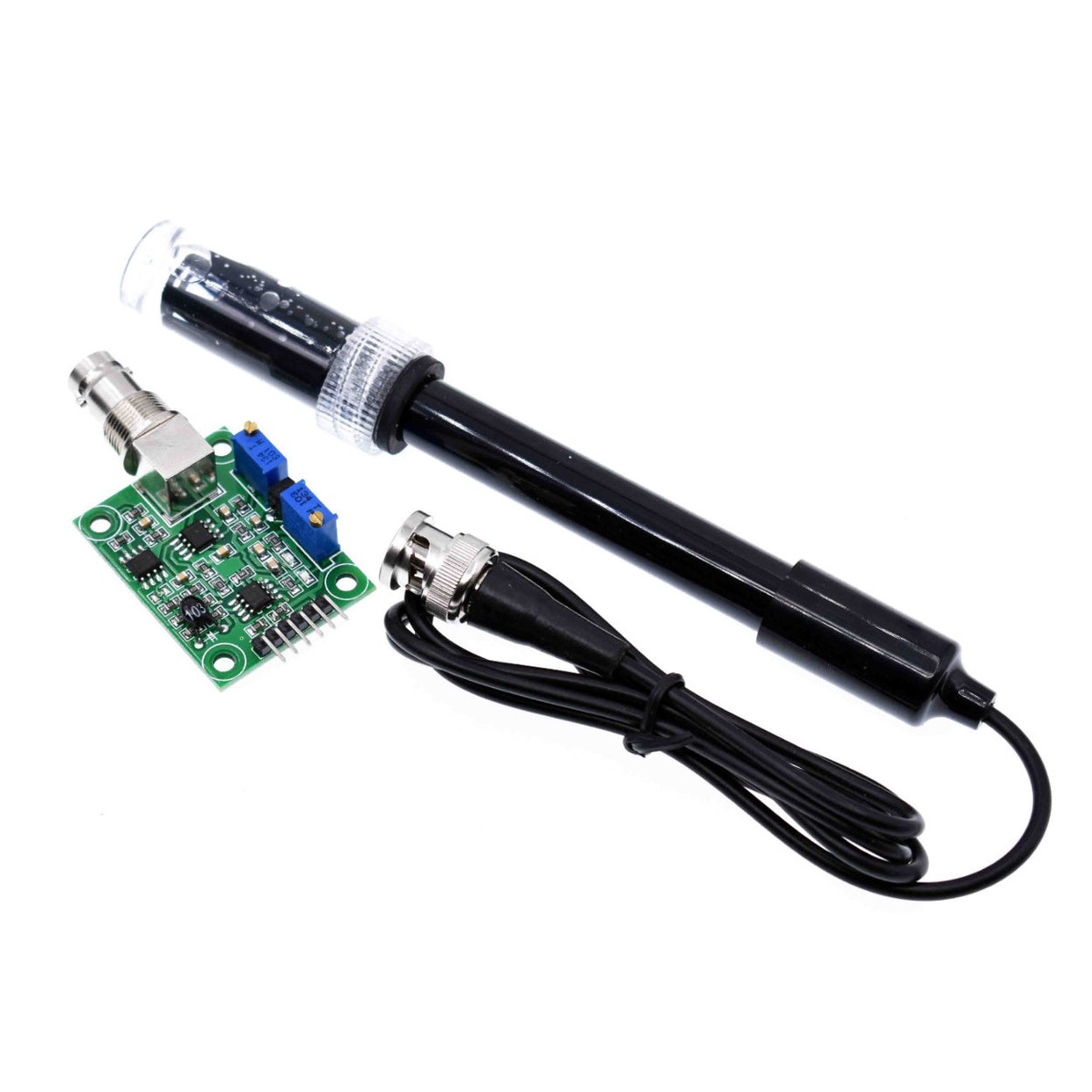
An analog pH sensor measures the hydrogen-ion concentration in a liquid, outputting a continuous voltage signal that maps to a 014 pH scale. These modules consist of two primary parts: an electrochemical glass probe (with a BNC connector) and a signal conditioning amplifier board.Because the raw probe generates microscopic millivolt fluctuations with incredibly high internal impedance, the onboard amplifier stabilizes and scales the signal so standard microcontrollers like Arduino or ESP8266 can interpret it.Hardware & Interface PinoutMost hobbyist and industrial analog pH modulesuse a standard interface:
- VCC: 5V DC Power input (some upgraded boards support 3.3V5.5V).
- GND: Ground connection (often has two pins that must both be grounded).
- PO / A0: Analog pH voltage output. Connects directly to a microcontrollers Analog-to-Digital Converter (ADC) pin.
- DO: Digital Output. Flips HIGH/LOW based on a user-defined threshold set by an onboard dial.
- TO: Temperature Output. Provides raw data for temperature software compensation.
- TRIMMER 1 (Offset): Built-in potentiometer to adjust the midpoint voltage (2.5V) at a neutral pH 7.0.
How It Works (The Science)
- Ion Exchange: The glass bulb at the tip of the probe is sensitive to H+ ions. Submerging the probe triggers an electrochemical reaction between the liquid and the inner reference buffer.
- Voltage Generation: Based on the Nernst Equation, a potential difference (voltage) builds between the internal measuring electrode and the reference electrode.
- The Swing: A neutral solution (pH 7.0) outputs exactly 0mV from the glass. Acidic solutions (pH < 7) generate a positive voltage, while alkaline solutions (pH > 7) yield a negative voltage.
- Signal Conditioning: Because microcontrollers cannot read negative voltages, the signal conditioning board shifts the baseline upward. Typically, a neutral pH 7.0 is mapped to output exactly 2.5V.
Arduino WiringWiring Diagram
| Sensor Board Pin | Arduino Pin |
|---|---|
| VCC | 5V |
| GND | GND |
| PO | A0 |
Conversion LogicThe relationship between the output voltage and the pH scale is strictly linear. The mathematical model utilizes a defined step-slope (0.18V per pH unit change) combined with an offset variable:pH = 7.0 + ((2.5 – V_out) / Slope)Essential Calibration ProcedureAnalog pH probes drift over time due to temperature changes and glass aging. You must calibrate them before your first reading:
- Hardware Offset: Unplug the BNC probe entirely and short-circuit the inner pin of the board’s BNC connector to its outer metal shield using a wire. Power the board and adjust TRIMMER 1 until the voltage on the PO pin reads exactly 2.50V.
- Midpoint Calibration: Reconnect the probe, rinse it thoroughly in distilled water, and submerge it into a standard pH 7.0 buffer solution. Wait two minutes for the reading to stabilize, then adjust your software’s offset until your output reads exactly 7.00.
Only logged in customers who have purchased this product may leave a review.
Keep exploring
You may also like
More pieces selected to complement what you are viewing.
-
Sale
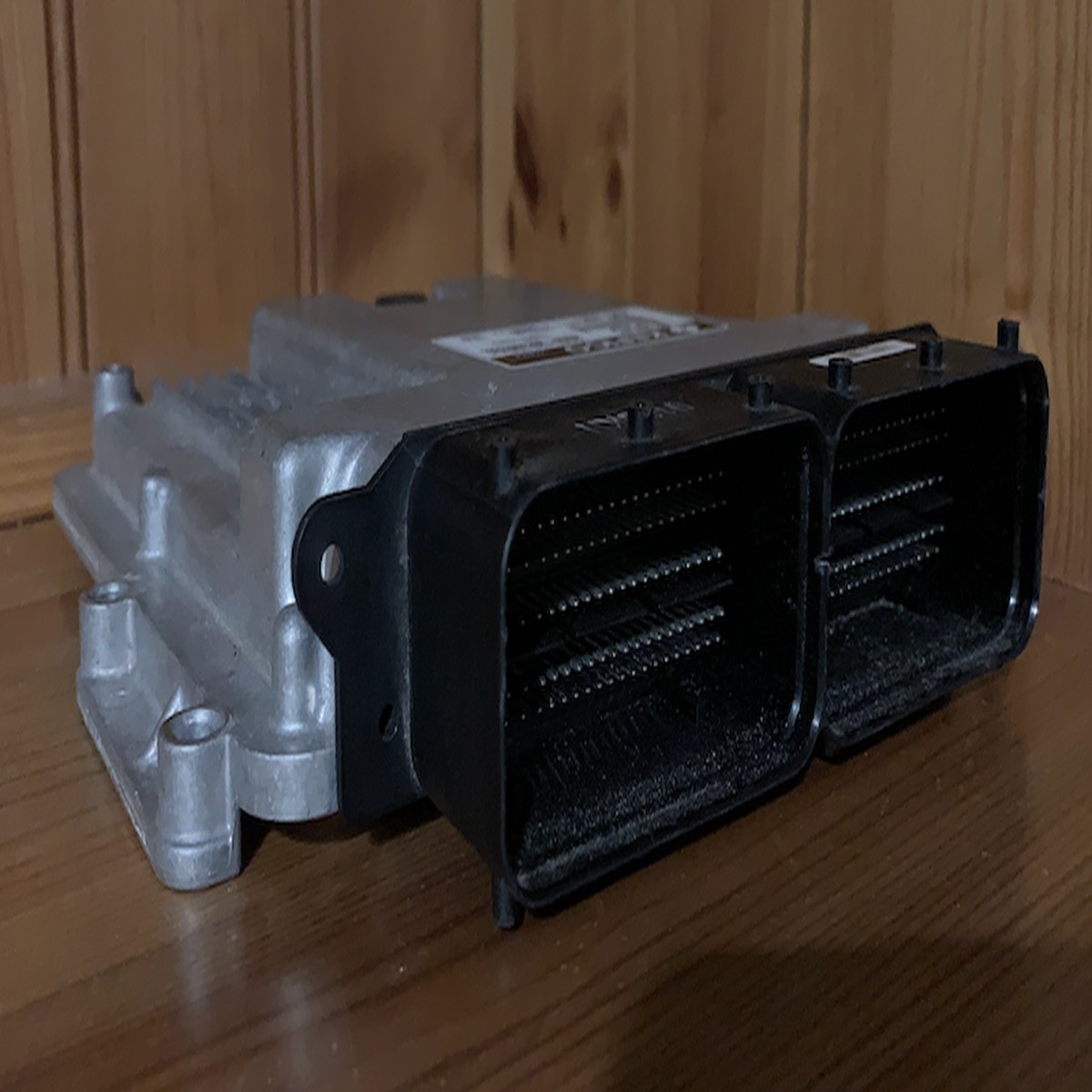
Plug & Play Bosch Engine ECU, Ford, 0261S20876, 0 261 S20 969, JN1512A650UE, JN15-12A650-UE, HA6A12B684LA, HA6A-12B684-LA, DAR4
Original price was: $499.99.$150.00Current price is: $150.00. -
Sale

X-Men Forever #2 A Mark Brooks Keiron Gillen (04/24/2024) Marvel
Original price was: $3.99.$3.19Current price is: $3.19. -
Sale

Future State Suicide Squad #1 (Of 2) B Derrick Chew Card Stock Variant (01/27/2021) Dc
Original price was: $6.99.$5.59Current price is: $5.59. -
Sale
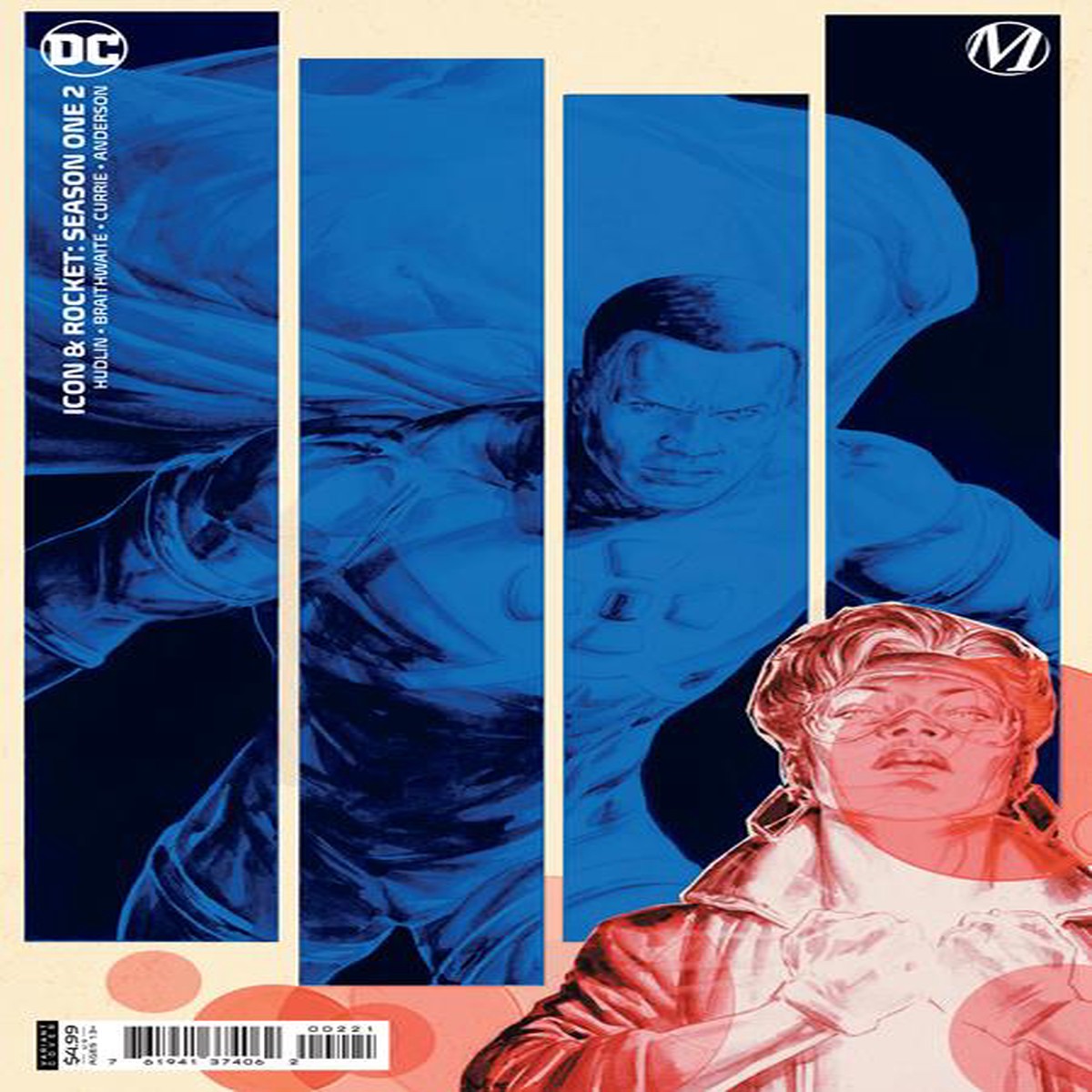
Icon & Rocket Season One #2 (Of 6) B Doug Braithwaite Card Stock Variant (08/24/2021) Dc
Original price was: $4.99.$3.99Current price is: $3.99.