

Electronic Components
Ai-Thinker M62-32S-Kit BL616 Wi-Fi 6 BLE 5.3 Dev Board
Shopping information
Ai-Thinker M62-32S-Kit BL616 Wi-Fi 6 BLE 5.3 Dev Board
The Ai-Thinker M62-32S-Kit is a development board designed for the Ai-M62-32S wireless module. It uses the BL616 platform and gives engineers a convenient board-level path for evaluating Wi-Fi 6, Bluetooth Low Energy 5.3, Thread, USB, serial flashing, GPIO expansion, and embedded IoT hardware integration.
According to the official Ai-M62-32S-Kit specification, the board supports IEEE 802.11 b/g/n/ax, BLE 5.3, Thread, Wi-Fi / BLE / Thread coexistence, 2400MHz to 2483.5MHz operation, 20MHz / 40MHz bandwidth, 1T1R, and a maximum PHY rate of 229.4Mbps. The BL616 platform includes a 32-bit RISC-V CPU with FPU and DSP support, up to 320MHz main frequency, 532KB SRAM, 128KB ROM, and 4Kb eFuse.
For related OpenELAB Wi-Fi and BLE hardware, compare the Ai-Thinker M62-32S-BLIFN4 Module, Ai-Thinker M62-12F-Kit, Ai-Thinker M62-M2-I-Kit, Ai-Thinker M62-13-BLIFN4 Module, and Ai-Thinker M61-32SU Module.
Technical Specifications
| Parameter | Value |
|---|---|
| Brand | Ai-Thinker |
| Model | Ai-M62-32S-Kit |
| OpenELAB SKU | AT-M62-32S-Kit |
| Product Type | Wi-Fi 6, BLE 5.3, and Thread IoT development board |
| Core Module | Ai-M62-32S |
| Chip Platform | BL616 |
| CPU | Low-power 32-bit RISC-V CPU with FPU, DSP, cache, and memory support |
| Maximum CPU Frequency | Up to 320MHz according to the official specification |
| Memory Reference | 532KB SRAM, 128KB ROM, and 4Kb eFuse listed by the official feature table |
| Wireless Standard | IEEE 802.11 b/g/n/ax, BLE 5.3, and Thread |
| Wireless Frequency | 2400MHz to 2483.5MHz |
| Wireless Coexistence | Wi-Fi, BLE, and Thread coexistence support listed by the official specification |
| Wi-Fi Security | WPS, WEP, WPA, WPA2, and WPA3 listed by the official specification |
| Wi-Fi Modes | STA, SoftAP, STA+SoftAP, and sniffer modes listed by the official feature table |
| Bandwidth and PHY Rate | 20MHz / 40MHz bandwidth, 1T1R, up to 229.4Mbps |
| Flash | 4MByte default flash, with maximum 16MByte support listed by the official main-parameter table |
| Package / Board Format | DIP-38 development board format |
| Board Size | 54.96 x 25.40mm, +/-0.2mm |
| Antenna | Onboard PCB antenna |
| Supported Interfaces | USB2.0, SDU, SD/MMC(SDH), SPI, UART, I2C, I2S, PWM, GPDAC, GPADC, ACOMP, and GPIO |
| Available IO Quantity | 18 IO listed by the official main-parameter table |
| Default UART Rate | 115200bps listed by the official main-parameter table |
| Power Supply Options | Type-C power, 5V and GND pin power, or 3V3 and GND pin power |
| Type-C Input Voltage | 4.5V to 5.3V listed by the official electrical table |
| Module Supply Range | 2.97V to 3.6V, 3.3V typical listed by the official electrical table |
| Recommended Supply Current | At least 500mA supply capacity listed by the official main-parameter table |
| Wi-Fi Output Power Reference | 22dBm for 11b, 19dBm for 11g, 19dBm for 11n HT20 / HT40, 17dBm for 11ax HE20, and 16dBm for 11ax HE40 |
| Wi-Fi Sensitivity Reference | -98dBm at 11b 1Mbps, -90dBm at 11b 11Mbps, -93dBm at 11g 6Mbps, -76dBm at 11g 54Mbps, -73dBm at 11n HT20 MCS7, -70dBm at 11ax HE20 MCS9, and -67dBm at 11ax HE40 MCS9 |
| BLE RF Reference | 10dBm to 15dBm output power for 1Mbps / 2Mbps, with -99dBm sensitivity at 1Mbps and -97dBm sensitivity at 2Mbps |
| Power Consumption Reference | 442mA 802.11b TX, 296mA 802.11g TX, 301mA 802.11n TX, 269mA 802.11ax TX, and 59mA RX references listed by the official table |
| Security Engine | AES / SHA / PKA / TRNG support, image encryption, signed boot, TrustZone, secure boot, and secure debug support listed by official materials |
| Indicators | RGB indicator: red on IO1, green on IO30, blue on IO0; white light on IO29; warm light on IO27 |
| Buttons | Reset button and burn button; official workflow lists pressing burn and reset, then releasing reset and burn for firmware download |
| Selected Pin Resources | 3V3, EN, IO3, IO11, IO12, IO1, IO30, IO0, IO13, IO14, IO15, IO16, 5V, IO10, IO28, IO17, IO27, IO29, USB_DM, USB_DP, RX, TX, IO20, and GND are listed in the official pin table |
| Operating Temperature | -40C to 85C |
| Storage Environment | -40C to 125C, less than 90%RH |
| Packaging Reference | 1 piece per electrostatic bag and 20 pieces per sealed bag listed by the official packaging section |
Integration Notes & Hardware Guidance
- Power Supply – Use Type-C power for evaluation where possible, or provide a stable 5V / 3.3V pin supply with at least 500mA current capacity.
- 3.3V Domain – Treat module IO as 3.3V logic and add level shifting if external peripherals use another voltage domain.
- Firmware Download – Follow the official burn-button and reset-button sequence when entering firmware download mode.
- Antenna Clearance – Keep the onboard PCB antenna away from metal, shield cans, batteries, displays, and dense high-frequency circuits.
- Interface Planning – Confirm USB2.0, UART, SPI, I2C, I2S, PWM, ADC / DAC, ACOMP, GPIO, reset, boot, and indicator usage before custom hardware migration.
- Reserved Pins – Review pins shared with Flash or 32.768kHz crystal functions before using them in a custom design.
- Power Noise – Add local decoupling and keep the power path low impedance to avoid brownout during Wi-Fi 6 transmit bursts.
- Security Review – Plan secure boot, image encryption, firmware signing, TrustZone usage, and debug access before production deployment.
- RF Validation – Test Wi-Fi 6, BLE 5.3, and Thread behavior with the final enclosure, antenna clearance, channel plan, and coexistence settings.
Packing List
- 1 x Ai-Thinker Ai-M62-32S-Kit BL616 Wi-Fi BLE IoT Development Board
FAQ
Q: Which wireless platform does M62-32S-Kit use?
A: It is designed for the Ai-M62-32S module and uses the BL616 chip platform.
Q: Does it support Wi-Fi 6?
A: Yes. The official specification lists IEEE 802.11 b/g/n/ax support.
Q: Does it support BLE and Thread?
A: Yes. The official feature table lists BLE 5.3, Thread, and Wi-Fi / BLE / Thread coexistence support.
Q: What power input options are available?
A: The official specification lists Type-C power, 5V and GND pin power, and 3V3 and GND pin power.
Q: How much supply current should I reserve?
A: Reserve at least 500mA board-side current capacity, especially for Wi-Fi transmit and firmware testing.
Q: What interfaces are available?
A: The official main-parameter table lists USB2.0, SDU, SD/MMC(SDH), SPI, UART, I2C, I2S, PWM, GPDAC, GPADC, ACOMP, and GPIO.
Q: How is M62-32S-Kit different from M62-12F-Kit?
A: M62-32S-Kit uses a DIP-38 development board format, has 18 IO listed, and measures 54.96 x 25.40mm, while M62-12F-Kit uses a DIP-30 format with 15 IO listed.
Only logged in customers who have purchased this product may leave a review.
Keep exploring
You may also like
More pieces selected to complement what you are viewing.
-
Sale
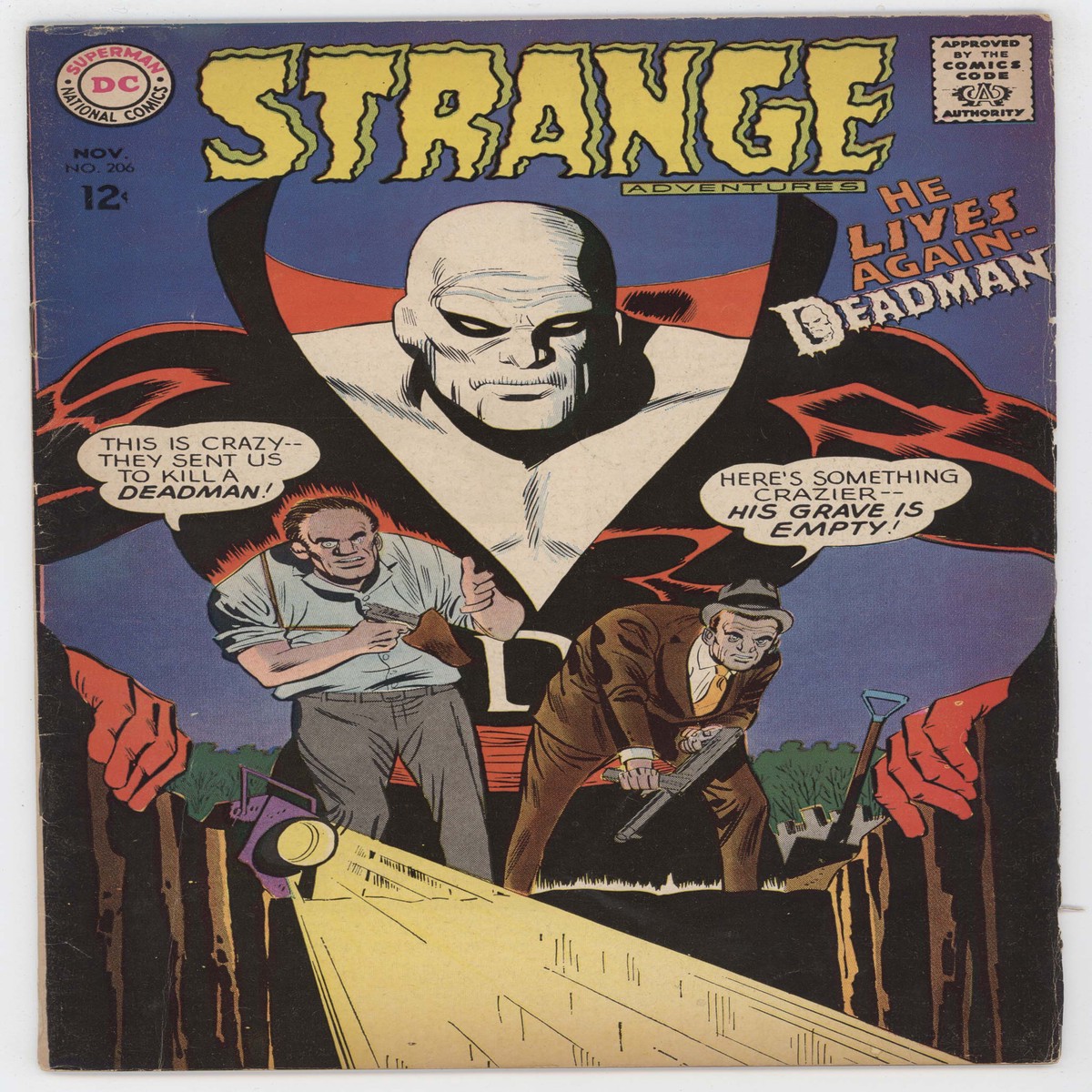
Strange Adventures 206 DC 1967 VG FN Mike Sekowsky 2nd Deadman Graveyard
Original price was: $80.00.$40.00Current price is: $40.00. -
Sale
Plug & Play Bosch Engine ECU, Ford, 0261S07402, 0 261 S07 402
Original price was: $599.99.$150.00Current price is: $150.00. -
Sale
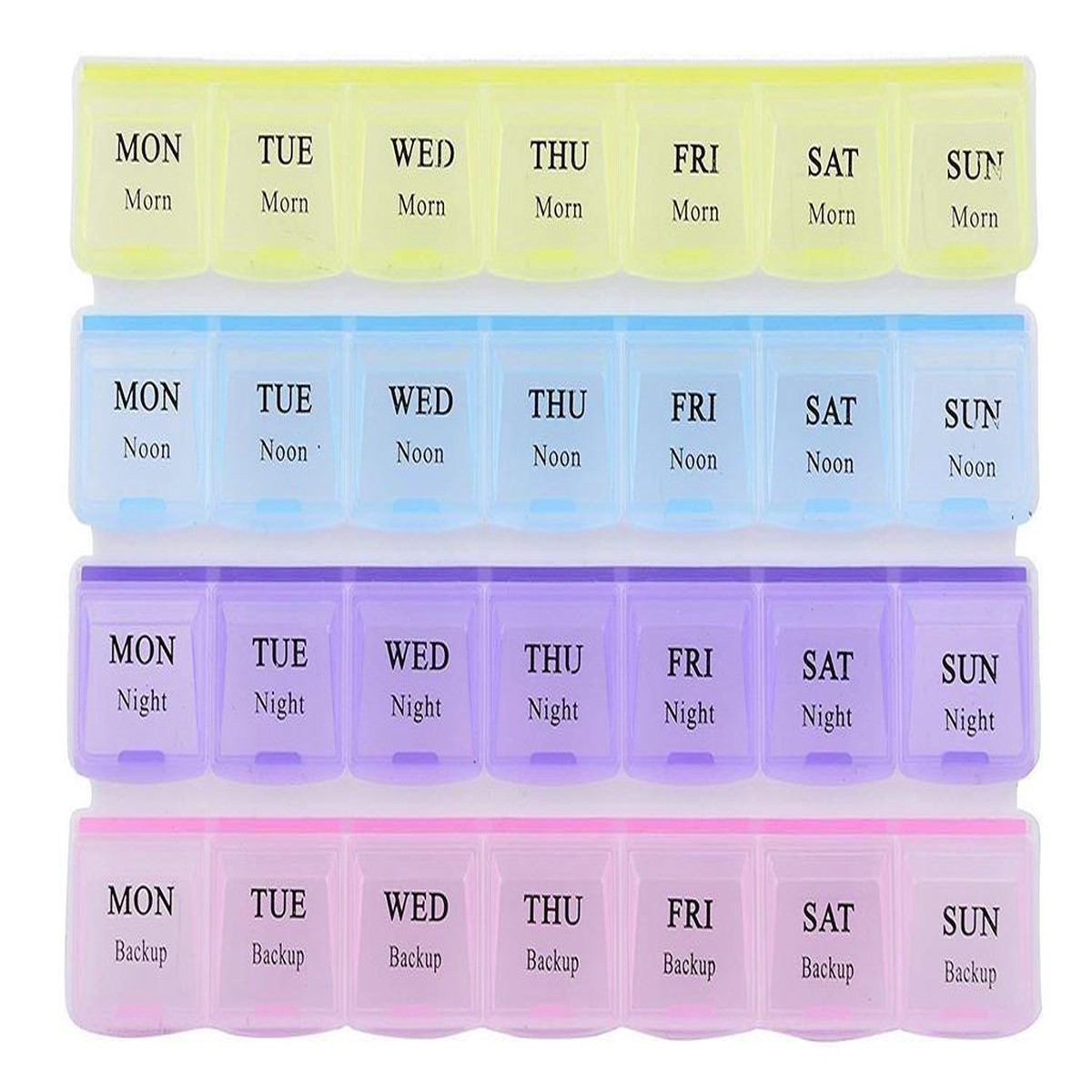
28 Grids Plastic Square Storage Box Case Components Organiser
Original price was: $15.00.$5.00Current price is: $5.00. -
Sale
KingJade Fu Xi Pro Poron Fabric Gaming Mousepad
Original price was: $45.99.$36.79Current price is: $36.79.